- DN Weekly
- Posts
- Directors Notes Weekly
Directors Notes Weekly
The What, How & Why of independent filmmaking

Directors Notes
February 11, 2026
Papillon

Animated short Oscar nominee Florence Miailhe talks to us about bringing a series of stunning oil paintings to life frame by frame in Papillon (Butterfly) to tell the story of Olympic swimmer Alfred Nakache, a Jewish man whose career and family were devastated by the Holocaust and who rebuilt his life after losing his wife and child. She walks us through, quite literally, the creative process behind the animation and the innovative methods used to depict this beautifully crafted tale of tragedy and triumph.
The Parish

An experienced self-shooter on art films, Matt R. Smith talks to us about combining his process with a more collaborative one for nightmarish thriller The Parish. We also get into the innovative way his team captured a complex camera move without the ideal equipment, the lucky happenstance of finding his lead actor, and filming purpose-built props in his own studio.
10 Shorts That Left Their Mark from the 48th Clermont-Ferrand Film Festival

With its unparalleled focus on the art of the short, Clermont-Ferrand consistently delivers a programme overflowing with bold vision. This year's 48th edition is no exception, offering a rich tapestry of storytelling that captivates, surprises, and pushes boundaries. These are the 10 shorts from the festival that left their mark on us here at Directors Notes.
Solstice
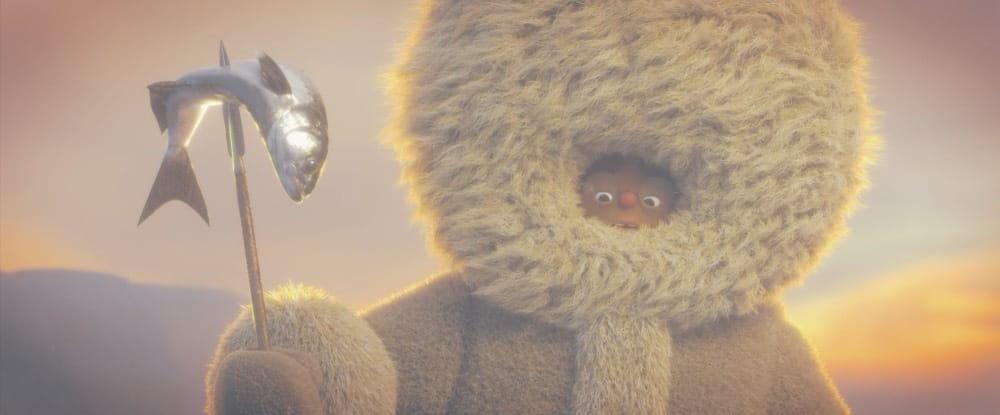
Award-winning animation is often associated with major studios or prestigious film schools - but Luke Angus is proving otherwise. Created over four years in his spare time, his independent short Solstice has earned a BAFTA nomination for best British Short Animation. The 11-minute film tells the story of a lonely Inuit man longing to reunite with his lost love, combining meticulous craft with striking emotional depth. Solstice stands as a powerful reminder of what one filmmaker can achieve through passion, persistence, and a commitment to learning.
We caught up with Angus to talk about working independently, the importance of engaging audiences early, and why embracing imperfection can be key in CG cinematography.
Terence

Edem Kelman takes us inside the world as he sees it through his storytelling, and explains how he used this to great effect in Terence, which is nominated for Best British Short Film at the upcoming BAFTAs. Centred on a London security guard who balances a fractured home life with a secret spiritual gift for healing, Kelman's powerful short explores the dynamics of faith and family within the African diaspora in the UK.
He also reveals the guerrilla techniques which made the film possible—from directing his lead actor via hidden headphones on a busy high street, to mixing real people with actors to achieve unscriptable moments of authenticity.
